
Views: 0 Author: Site Editor Publish Time: 2026-06-22 Origin: Site


In automotive manufacturing, the margin for error in suspension and valve components is virtually zero. Material failure leads directly to catastrophic system failure. Selecting the right spring steel for automotive parts requires balancing cyclic fatigue limits, operating temperatures, and manufacturability against unit costs. Engineers evaluate multiple complex variables daily to ensure long-term vehicle reliability. A poor material choice risks compromised vehicle safety and expensive global recalls.
This guide breaks down the decision-making framework for automotive engineers and procurement teams evaluating Spring Steel grades. We focus heavily on material limitations, heat treatment realities, and strict supplier validation processes. You will learn how to match specific alloys to highly demanding load profiles. We also cover practical methods to avoid common manufacturing defects during production.
Application Dictates Alloy: High-temperature environments (e.g., engine valves) require different elemental compositions than high-load environments (e.g., suspension leaf springs).
SAE 5160 is the Industry Baseline: SAE 5160 Spring Steel offers a proven balance of high fatigue strength and cost-efficiency for heavy automotive parts, but requires strict heat treatment controls.
Processing Equals Performance: Even premium alloys will fail prematurely if surface defects (like decarburization) or improper quenching are introduced during manufacturing.
Traceability is Non-Negotiable: Reliable steel solutions for automotive industry applications must be backed by rigorous Mill Test Reports (MTRs) and IATF 16949 compliance.
You must first classify the primary stress profile of the component. Engineers differentiate carefully between constant load bearing and high-frequency cyclic loading. Chassis components typically handle immense static weight over long durations. Conversely, clutch systems or valve springs face millions of rapid compression cycles per hour. Dynamic stress demands alloys engineered specifically for superior fatigue life. Static loads allow for slightly more rigid material structures. Identifying the exact loading cycle prevents premature mechanical snapping under pressure.
Identify peak operating temperatures early in the design phase. Standard carbon steels suffer from "heat sag" at elevated temperatures. This phenomenon causes a permanent loss of load capacity. Brake-adjacent environments generate intense radiant heat during normal operation. Engine bays push materials far past their standard thermal limits constantly. You must select alloys capable of retaining their mechanical properties under these extreme thermal burdens. Ignoring thermal mapping leads directly to suspension collapse.
Map the exposure of the component to harsh road salts, moisture, or chemical fluids. Environmental realities dictate the necessity for specific surface treatments. They also influence the need for higher-alloyed base materials. Coastal regions and winter climates introduce aggressive galvanic corrosion risks. Neglecting environmental factors accelerates rust buildup rapidly. This oxidation compromises structural integrity long before mechanical fatigue sets in. Appropriate coatings paired with the right base metal mitigate these risks entirely.
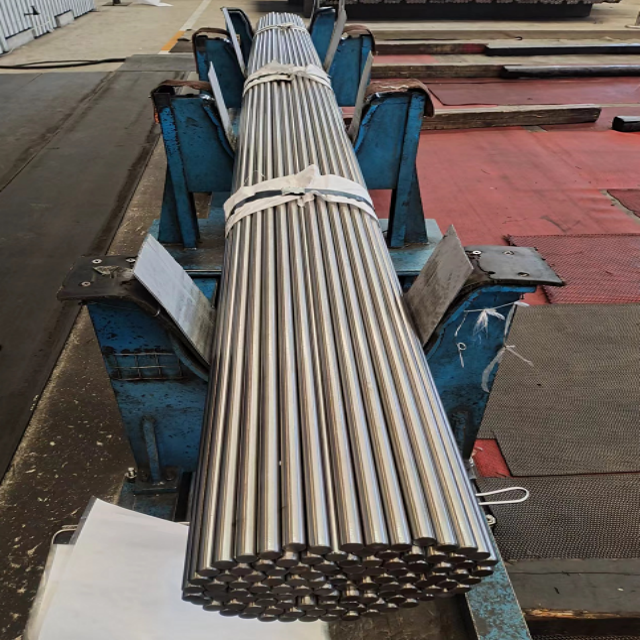
This grade represents a robust chromium-alloyed high-carbon steel. The industry relies on it heavily as the standard for suspension systems. You will see SAE 5160 Spring Steel used extensively in leaf springs, heavy coil springs, and torsion bars. It possesses exceptional toughness and handles road shock brilliantly. However, engineers must recognize its limitations. It remains highly susceptible to distortion if quench rates are poorly managed. It is also not ideal for ultra-high-temperature environments near the exhaust manifold.
These specific alloys feature a notably high silicon content. This precise chemical composition enhances heat resistance significantly. They serve best as engine valve springs and precision transmission springs. The main advantage is their superior resistance to thermal relaxation. They perform reliably under high heat and continuous high-stress cycling. Silicon acts as a stabilizer within the microstructure. It prevents the steel from losing its memory when subjected to engine combustion temperatures.
These simpler materials suit low-stress, non-critical interior components well. Common examples include seat cushion springs, dashboard clips, and trunk hinges. Their limitations are immediately clear in heavy-duty applications. They possess a considerably lower fatigue life than alloyed counterparts. They remain completely insufficient for primary drivetrain or active suspension parts. Using them in high-stress zones guarantees rapid failure.
Chart: Material Grade Comparison Matrix | |||
Grade Category | Primary Alloying Element | Best Automotive Application | Relative Heat Resistance |
|---|---|---|---|
SAE 5160 | Chromium | Leaf Springs, Torsion Bars | Moderate |
SAE 9254 | Silicon, Chromium | Valve Springs, Transmission Springs | High |
1070–1095 | Carbon | Seat Springs, Interior Clips | Low |
Yield strength represents the exact point where permanent deformation occurs. It remains the most critical metric for any spring design. You want the material to return flawlessly to its original shape after compression. Tensile strength merely indicates the ultimate breaking point of the metal. A remarkably high yield point prevents plastic deformation under severe automotive loads. If a suspension bottom-out exceeds the yield strength, the vehicle sags permanently.
You must evaluate the overall metallurgical purity of the steel continuously. Non-metallic inclusions act as dangerous internal stress concentrators. They are the primary origin point for microscopic fatigue cracking. Cleaner steel directly translates to a longer operational lifespan. Steel mills use advanced vacuum degassing techniques to remove these impurities. Engineers must demand strict inclusion ratings from their metallurgical partners to guarantee dynamic reliability.
Assess how uniformly the steel responds to standard quenching and tempering processes. Thicker automotive parts require alloys possessing deep hardenability. This crucial characteristic ensures uniform core strength throughout the entire cross-section. Shallow hardening leads directly to weak centers and eventual part failure under heavy loads. The Jominy end-quench test provides reliable data regarding this hardening depth. Chromium additions usually improve this metric significantly.
Factor in the complex cold-working or hot-forging requirements of your specific part design. Do this before finalizing any heat treatment plan. Some high-strength alloys prove incredibly difficult to machine in their fully hardened state. You must plan all shaping operations while the metal remains annealed. Improper sequencing damages tooling and introduces surface stress concentrations. Smart manufacturing sequences reduce scrap rates dramatically.
Table: Essential Evaluation Metrics | ||
Metric | Definition | Why It Matters for Autos |
|---|---|---|
Yield Strength | Stress level causing permanent shape change. | Prevents chassis sag and ride height loss. |
Fatigue Limit | Maximum stress endured for infinite cycles. | Ensures parts survive millions of road bumps. |
Hardenability | Depth of hardness achieved after quenching. | Maintains structural integrity in thick sections. |
Carbon loss at the surface occurs frequently during forging or open-air heat treatment. This phenomenon drastically reduces the overall fatigue life of the part. Surface layers lose their hardness and become highly prone to micro-tears. You must emphasize the absolute need for controlled-atmosphere processing. Using inert gases prevents oxygen from stripping vital carbon from the alloy. Even minor decarburization ruins an otherwise perfect suspension component.
Managing internal cracking risks during the vital quench phase is critical. This risk spikes aggressively particularly concerning thick-section heavy-duty parts. Rapid cooling creates massive internal mechanical stresses as the microstructure transforms. You must control cooling rates precisely through engineered oil or polymer baths. These invisible fractures remain undetectable to the naked eye. They will cause catastrophic breakage during the first high-stress driving event.
Basic material selection must always pair directly with secondary surface processes. Shot peening represents the most effective example of this necessity. The process induces a beneficial compressive surface stress layer. It literally hammers the outer surface to close microscopic pores and flaws.
It extends the cyclic lifespan of the component significantly.
It mitigates the negative effects of minor surface scratches.
It allows engineers to maximize alloy performance without over-speccing materials.
Shortlist your manufacturing partners based on strict, verifiable quality criteria. Look immediately for automotive-specific quality management systems. ISO 9001 serves merely as a baseline starting point. IATF 16949 represents the definitive, non-negotiable standard globally. Reliable steel solutions for automotive industry applications require this level of audited compliance. It ensures the supplier utilizes advanced product quality planning and rigorous failure mode analysis.
You must know how to read an MTR properly and thoroughly. Check for strict chemical composition tolerances first against your engineering drawings. Then review the documented grain size and non-metallic inclusion ratings. The MTR acts as a legal guarantee from the mill. It confirms you received the exact metallurgical profile you originally ordered. Never accept steel shipments without full MTR documentation.
Request pilot batches early in the procurement process. Conduct exhaustive in-house fatigue and salt-spray testing immediately. Do this long before committing to high-volume commercial procurement.
Define the exact load parameters for the test rig.
Subject prototypes to minimum 1-million cycle endurance tests.
Examine failed parts under electron microscopes to identify fracture origins.
Adjust the heat treatment specification based on actual destructive data.
Destructive testing reveals hidden systemic flaws. Theoretical computer models frequently miss these practical manufacturing defects.
Choosing appropriate metals for automotive parts is never a simple catalog selection. It remains a strict calculation of thermal, mechanical, and complex processing variables. You must balance the physical realities of the manufacturing floor against theoretical engineering limits.
Engineering teams must finalize their specific load and temperature parameters first. Do this before initiating any technical consultations with qualified metallurgical suppliers. Prioritize material traceability and strict quality control to guarantee long-term performance. Focus heavily on proper heat treatment and surface enhancements to maximize the fatigue life of your chosen alloy. This disciplined approach ensures safer vehicles and more reliable manufacturing outcomes.
A: Its specific addition of chromium enhances hardenability and fatigue resistance significantly. This makes it highly effective and economical for thick-section parts. Components like heavy leaf springs endure constant dynamic shock. This alloy absorbs those repeated impacts while maintaining its structural integrity over years of use.
A: No. Standard carbon steels will suffer from immediate thermal relaxation or "heat sag" at typical engine temperatures. Chrome-silicon or Chrome-vanadium alloys are absolutely required for these extreme environments. They retain their mechanical memory and stiffness despite continuous exposure to high combustion heat.
A: Shot peening improves the fatigue life of any spring steel dramatically. It adds a protective compressive stress layer to the outer surface. It allows engineers to maximize the true performance of standard alloys. This prevents teams from unnecessarily over-speccing to a much more expensive exotic material.
A: Metallurgical purity is the most critical metric. You must monitor inclusion size and distribution strictly. You also need strict control over surface decarburization during processing. Both issues act as the primary culprits for premature fatigue failure in heavy-duty automotive springs.


