
Views: 0 Author: Site Editor Publish Time: 2026-08-19 Origin: Site


Selecting the incorrect steel finish quietly erodes manufacturing margins through excessive tool wear, rejected parts, or unnecessary upfront material premiums. Engineering and procurement teams often struggle to balance the low initial cost of hot-rolled materials against the downstream machining efficiencies of cold-finished materials. Resolving the bright steel vs black steel debate requires a strict evaluation of dimensional tolerances, mechanical properties, and overall processing expenses for your specific production environment. We see shops make the wrong call daily, loading scaled bars into Swiss lathes and wondering why their collets fail. You need to match the raw material condition directly to your shop floor capabilities and the final application requirements. Making assumptions based purely on the initial price per pound will inevitably bottleneck your production line.
Material specification begins by separating chemical composition from physical condition. A specific metal grade dictates the exact chemical makeup. Elements like carbon, manganese, and silicon define the baseline metallurgical potential. The terms "bright" and "black" describe the physical processing history. They determine the resulting surface finish and dimensional accuracy. You can purchase the exact same carbon steel bar in either condition. The chemistry remains identical. The mechanical behavior and surface characteristics change entirely based on how the mill processes the raw billet. Engineers must specify both the grade and the condition on their drawings to ensure the shop floor receives the correct material.
Many procurement departments confuse these terms. They assume a 1018 bar always arrives ready for a precision lathe. If the purchase order lacks a specific condition callout, the supplier might ship hot-rolled stock by default. This simple oversight forces operators to waste hours turning down oversized, scaled material just to establish a clean working surface. Understanding the manufacturing origins prevents these costly receiving errors.
Mills produce hot-rolled materials by heating cast billets above their recrystallization temperature. This typically exceeds 1,700°F. The metal becomes highly malleable. Heavy rollers squeeze the glowing steel into long continuous shapes. The mill performs this reduction without cooling delays. The material then cools naturally in open air at room temperature. This uncontrolled cooling phase causes thermal shrinkage. The metal contracts unevenly. This leads to dimensional variations and warped profiles. It also creates potential inconsistencies in internal hardness across the cross-section.
The high-temperature exposure creates a distinct byproduct. Oxygen reacts with the hot iron. This forms a thick layer of iron oxide on the exterior. Industry professionals call this mill scale. The scale gives black steel its characteristic dark, matte, and rough finish. The scale embeds itself tightly into the surface. It requires aggressive mechanical or chemical removal before any precision work can occur. The hot rolling sequence generally follows these steps:
Cold finishing transforms rough hot-rolled stock into high-tolerance material. The process starts by cleaning the hot-rolled bar. Acid pickling baths strip away the abrasive mill scale. The mill then coats the clean steel with specialized lubricants, often lime or phosphate. Heavy machinery pulls the unheated material through a tungsten carbide die. This occurs entirely at room temperature. The die opening is slightly smaller than the original bar diameter. This cold drawing process forces the metal to conform to exact dimensions.
Mills utilize several finishing methods to achieve specific results. Cold drawing improves yield strength. Turning removes surface defects using cutting tools. Grinding ensures perfect roundness. Polishing creates a smooth, reflective surface. The cold reduction process induces work hardening. The extreme pressure alters the crystalline structure. It elongates the grains along the drawing axis. This increases hardness and strength while refining the overall grain structure of the bright steel. The cold finishing sequence typically involves:
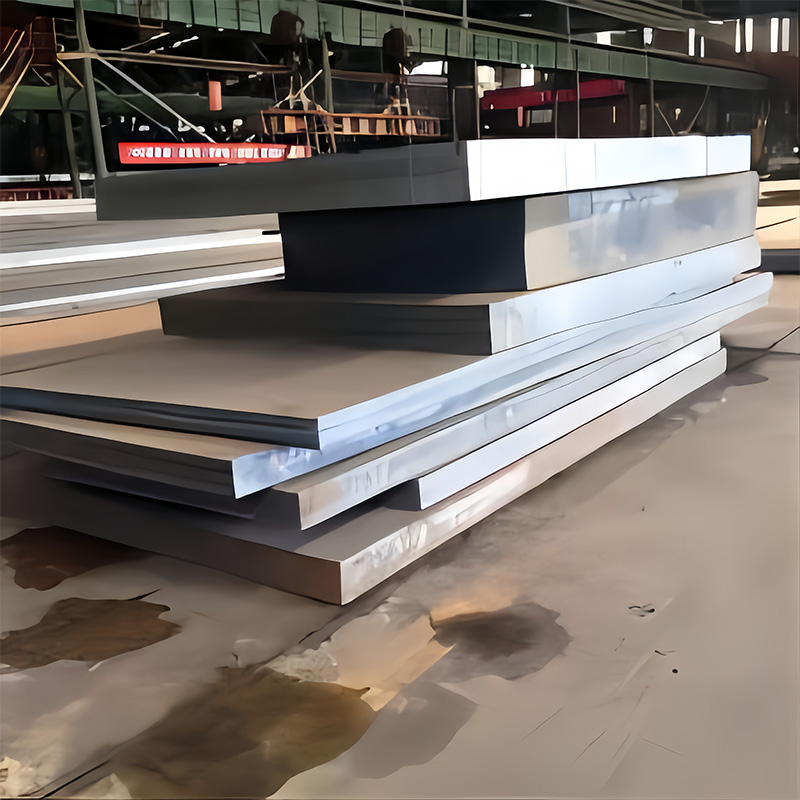
Hot-rolled bars carry notoriously loose tolerances. The unpredictable thermal contraction during cooling makes exact sizing impossible. A one-inch nominal bar might measure oversized or undersized by several thousandths of an inch. These variations render hot-rolled stock unsuitable for precision collets. Automated bar feeders jam frequently when processing uneven material. Operators must perform preliminary turning operations just to establish a reliable baseline diameter. The natural cooling process also introduces bowing. Hot-rolled stock rarely exhibits perfect straightness, often deviating by up to a quarter-inch over a ten-foot span.
Cold finishing solves these dimensional challenges. The drawing process forces the material through a rigid die. This creates precision bright steel capable of meeting tight ISO tolerance bands. Mills routinely supply h9 or h10 tolerance material directly from the floor. The drawing and peeling operations inherently correct bowing. The heavy tension straightens the bar along its entire length. This superior straightness proves essential for manufacturing long shafts. It prevents vibration and runout during high-speed machining operations. When a perfectly straight bar spins at 3,000 RPM, it protects the machine's spindle bearings from premature failure.
Typical Dimensional Tolerances
| Material Condition | Diameter Tolerance (1-inch bar) | Straightness Deviation (per 10 feet) |
|---|---|---|
| Hot-Rolled (Black) | +/- 0.009 inches | Up to 0.250 inches |
| Cold-Drawn (Bright) | +0.000 / -0.002 inches | Less than 0.062 inches |
| Turned and Ground | +0.000 / -0.0005 inches | Less than 0.030 inches |
Mill scale heavily impacts fabrication workflows. The abrasive oxide layer on hot-rolled stock interferes with secondary processes. Welders must grind away the scale to prevent porosity and weak joints. Painters and coaters cannot apply finishes directly over the oxide. The scale flakes off over time, taking the coating with it. Facilities must invest in shot blasting, heavy grinding, or acid pickling just to prepare the surface. These preparatory steps consume significant labor hours and floor space. They also generate hazardous dust and chemical waste that require specialized disposal protocols.
Cold-drawn materials bypass these surface preparation bottlenecks. The bright finish provides a smooth, polished exterior. The surface remains free of oxides and rough defects. Manufacturers can send cold-finished parts directly to final plating. Powder coating adheres perfectly to the clean surface. Assembly teams can use the raw exterior as a functional bearing surface without secondary preparation. The aesthetic quality allows engineers to leave the material exposed in final product designs. This eliminates entire routing steps from the manufacturing process.
The cold drawing process fundamentally alters mechanical performance. Pulling the metal through a die compresses the molecular structure. This work hardening increases the yield strength of a carbon steel bar by up to 20%. Tensile strength typically increases by up to 10%. Engineers can often substitute a smaller diameter cold-drawn bar for a larger hot-rolled bar while maintaining identical load-bearing capacity. This strength increase occurs without altering the chemical composition. You get a stronger part without paying for expensive alloying elements like chromium or molybdenum.
Hardness consistency varies significantly between the two conditions. Cold finishing provides a uniform hardness profile across the entire bar length. The controlled room-temperature processing ensures predictable material behavior. Hot-rolled stock often suffers from localized hard or soft spots. Uneven cooling rates on the mill floor cause these metallurgical inconsistencies. However, cold working reduces ductility. Hot-rolled stock retains higher malleability. It bends easily and absorbs shock better. Cold-finished material becomes slightly more brittle due to the increased hardness. You must account for this reduced ductility when designing parts subjected to heavy impact loads.
Mechanical Property Shifts (1018 Steel Example)
| Property | Hot-Rolled 1018 | Cold-Drawn 1018 |
|---|---|---|
| Yield Strength | 32,000 psi | 54,000 psi |
| Tensile Strength | 58,000 psi | 64,000 psi |
| Elongation (Ductility) | 25% | 15% |
| Brinell Hardness | 116 HB | 126 HB |
Material condition directly dictates CNC throughput. Cold-finished stock features a consistent microstructure. The perfect straightness prevents spindle vibration. The lack of surface scale allows programmers to push cutting speeds to maximum limits. Operators can increase feed rates without risking sudden tool failure. The predictable dimensions allow for aggressive roughing passes. Parts come off the machine faster, reducing the cycle time per unit. When you run thousands of parts, shaving ten seconds off each cycle translates to massive labor savings.
Tool wear calculations heavily favor cold-finished materials. The iron oxide scale on hot-rolled stock acts like sandpaper against cutting tools. It rapidly degrades carbide inserts. The abrasive action chips cutting edges and causes premature wear. Operators must stop machines frequently to index or replace inserts. This increases consumable tooling costs. Machine downtime destroys production schedules. Removing the scale penalty drastically improves overall machining economics. You spend less money on tooling and keep your spindles turning longer.
Certain applications do not require micro-precision or flawless aesthetics. Structural frameworks rely on massive cross-sections for strength. I-beams, construction supports, and agricultural equipment frames utilize hot-rolled stock effectively. The loose tolerances do not impact the final assembly. The lower material cost provides significant budget relief for heavy tonnage projects. If you plan to bury the steel inside a concrete foundation, paying for a polished surface makes zero sense.
Components destined for heavy secondary processing also favor hot-rolled material. Forging operations heat the metal back to a malleable state. This destroys any previous cold-worked properties. Heavy welding introduces massive heat-affected zones. Parts requiring total surface machining will lose their exterior finish regardless of the starting condition. Purchasing expensive cold-finished stock wastes money if the manufacturing process destroys the tight tolerances immediately. Use black steel for:
Modern automated manufacturing demands perfect raw materials. High-speed repetition machining relies on predictable stock. Swiss CNC turning centers and multi-spindle screw machines require exact diameters to function. A jammed bar feeder halts the entire production cell. You must specify a bright steel bar to ensure uninterrupted automated feeding. The tight tolerances allow collets to grip the material securely without crushing it or letting it slip during heavy cuts.
Precision components mandate cold-finished stock. Electric motor shafts require exact straightness to prevent bearing failure. Gears need uniform hardness for consistent tooth cutting. Threaded fasteners rely on tight diameter control for proper thread rolling. Applications requiring immediate surface plating benefit from the scale-free finish. Specialized coatings adhere properly without expensive intermediate preparation steps. Specify bright steel for:
Procurement teams often fixate on the baseline price per pound. Hot-rolled stock is fundamentally cheaper by weight. The continuous manufacturing process requires fewer steps. The mill heats the billet, rolls it, and lets it cool. No secondary cleaning, drawing, or straightening occurs. This streamlined production keeps initial purchasing costs low. When buying hundreds of tons of material, the upfront savings look highly attractive on a spreadsheet.
However, true manufacturing expenses extend beyond the loading dock. You must calculate the labor, machine time, and tooling required to upgrade hot-rolled stock. Operators spend hours turning away mill scale. Carbide inserts wear out twice as fast. Machine cycle times increase due to slower feed rates. Rejected parts pile up from inconsistent tolerances. When you factor in these direct operational expenses, the cheaper hot-rolled bar often generates higher overall production costs compared to precision cold-finished stock. You also pay freight for material weight that ends up in the scrap bin as chips.
Evaluating vendor capabilities ensures reliable material flow. A qualified bright steel manufacturer provides comprehensive documentation. Audit their testing facilities. Request material test reports detailing exact chemical compositions. Verify their straightness guarantees and tolerance charts. Ensure they possess the internal quality control systems necessary to detect surface flaws before shipping. A reliable mill will perform eddy current testing to catch microscopic cracks before the material leaves their floor.
Procurement must balance lead times against Minimum Order Quantities. Off-the-shelf hot-rolled stock sits readily available in standard sizes. Custom cold-drawn profiles require specific die setups. Mills often demand higher MOQs to justify the changeover time. Planning inventory levels around these longer lead times prevents sudden stockouts. Standardize raw material sizes across multiple product lines to consolidate purchasing volume and meet minimum order thresholds easily. This strategy keeps your supply chain resilient against sudden market shortages.
The cold working process introduces significant residual internal stresses. The extreme pressure of the drawing die compresses the outer layers while stretching the core. Heavy asymmetrical machining releases these trapped stresses unevenly. Milling a deep keyway down one side of a cold-drawn shaft can cause the material to warp or bow instantly. The sudden distortion ruins the part. Machinists often refer to this as the "banana effect," where a perfectly straight bar bends the moment the cutter breaks the surface tension.
Engineers mitigate this risk through thermal management. Specify stress-relieved bright stock directly from the mill. The manufacturer heats the cold-drawn bar to a specific temperature below the recrystallization point. This relaxes the internal stresses without destroying the increased yield strength. Alternatively, plan stress-relief annealing cycles during your own production process. Rough machine the part, apply a thermal stress-relief cycle, and then perform the final precision finishing cuts. This two-step machining approach guarantees dimensional stability in the final component.
Hot-rolled stock hides severe flaws beneath the mill scale. The high-temperature rolling process depletes carbon from the outer layer. This decarburization zone lacks the hardness of the core material. Surface seams and micro-cracks form during the cooling phase. The dark oxide layer conceals these structural compromises. Machining a part just barely below the surface leaves these defects intact, compromising the integrity of the finished component. If you attempt to heat treat a part with a decarburized surface, it will fail to reach the required hardness.
Mitigate these hidden risks through aggressive stock removal. Plan for adequate machining allowances. Engineers must specify a raw bar diameter significantly larger than the final part dimension. Operators must cut deep enough to clear the decarburization layer entirely. Ensure the tool path removes all surface seams before reaching the final dimension. This heavy roughing strategy guarantees the final part consists entirely of sound core material. You must accept the higher scrap rate as a necessary cost of using hot-rolled stock.
A: Yes. The cold-working process induces work hardening, which compresses the grain structure. This gives the cold-finished material higher yield and tensile strength, as well as more consistent hardness, than hot-rolled stock of the exact same chemical grade.
A: Yes, you can weld them. However, the extreme heat from welding destroys the cold-worked mechanical properties in the Heat Affected Zone. The strength and hardness will revert closer to a standard hot-rolled state in that specific area.
A: It requires fewer manufacturing steps. The mill continuously rolls the hot billet and leaves it to cool without delays. Cold-finished material requires additional processing, including acid cleaning, cold drawing, straightening, and surface polishing.
A: Yes, it is highly susceptible to rust. It lacks the protective oxide layer found on hot-rolled stock. You must store cold-finished materials in dry, climate-controlled conditions and coat them with rust-preventative oils.
A: Carbon steel refers to the chemical composition of the metal. Bright steel refers to the surface finish and processing method. You can purchase a carbon steel bar in either a hot-rolled or cold-finished condition.
A: Yes, but the rough mill scale wears down cutting tools significantly faster. Furthermore, the loose dimensional tolerances and lack of perfect straightness make it difficult to use in automated bar feeders without prior turning.


