
Views: 0 Author: Site Editor Publish Time: 2025-07-03 Origin: Site


In today’s high-performance industrial environments, the demands placed on machinery are greater than ever. From continuous operation under high loads to exposure to extreme temperatures and corrosive environments, industrial machines require materials that can deliver strength, resilience, and long-term reliability. This is where high-strength alloy steel plays a vital role.
Used in sectors ranging from manufacturing and heavy equipment to aerospace and energy, alloy steel is engineered to endure challenging conditions while maintaining structural integrity. When you combine advanced metallurgy with precision manufacturing, the result is enhanced machinery performance, reduced maintenance, and greater operational efficiency.
This article explores how high-strength alloy steel supports mechanical durability, why working with the right alloy steel suppliers is critical, and how key industries benefit from this material in practical applications.
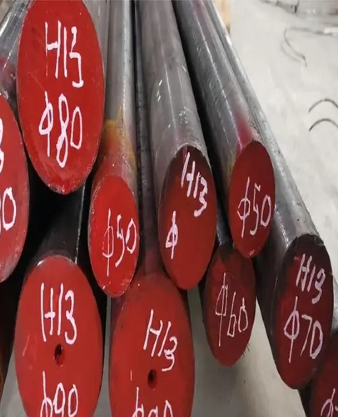
Alloy steel refers to a category of steels that include one or more alloying elements—such as chromium, nickel, molybdenum, vanadium, or manganese—to improve mechanical and chemical properties. When enhanced for strength, this type of steel offers exceptional toughness, wear resistance, heat resistance, and load-bearing capacity.
Unlike plain carbon steel, high-strength alloy steel is specially formulated to:
Withstand repeated mechanical stress
Resist deformation and fatigue
Handle extreme heat or cryogenic temperatures
Offer excellent weldability and machinability
These properties make it a core material in machines that must operate continuously, carry heavy loads, or function in corrosive or abrasive environments.
In industries such as mining, manufacturing, construction, and power generation, machinery is not only a significant investment—it is central to productivity. Downtime caused by component failure or material fatigue can result in serious delays and financial losses.
Durability, therefore, is not optional. Equipment needs materials that can support high torque, resist friction, endure exposure to harsh chemicals or oils, and maintain precision over long operational cycles.
Using high strength alloy steel enhances:
Structural integrity: Avoiding cracking, bending, or breakage
Component longevity: Extending service life of gears, shafts, bearings, and fasteners
Maintenance efficiency: Reducing repair frequency and costs
Safety: Preventing mechanical failure that could result in accidents or damage
Gears transfer torque and are constantly in motion, which subjects them to high levels of stress and wear. High-strength alloy steel offers exceptional fatigue resistance, especially in surface-hardened forms, making it ideal for gears, gearboxes, and transmission systems.
In rotating machinery, shafts made of alloy steel must withstand torsional stress, bending, and occasional impact. Materials such as 4140, 4340, and 8620 alloy steel are commonly used due to their excellent balance of strength and toughness.
Pistons, rods, cylinders, and valves in hydraulic or pneumatic systems benefit from the corrosion resistance and wear durability of alloy steel. These components must perform flawlessly under high pressure, which makes material strength essential.
Bearings operate under high loads and friction. High-strength alloy steel, often hardened and precision-finished, ensures these parts continue to function smoothly over long periods without failure.
For large machinery such as CNC machines, injection molding units, or forging presses, structural frames need to resist static and dynamic loads. High-strength alloy steel ensures dimensional stability and vibration resistance.
In wind turbines, alloy steel is used in shafts, gears, bolts, and the supporting structure of the nacelle. It must endure high torque, wind-induced vibration, and corrosion in offshore environments.
Mixers, reactors, and high-pressure vessels in chemical plants often rely on wear resistant alloy steel to withstand acids, alkalis, and abrasive slurries. The material's strength prevents mechanical failure during long production cycles.
Propulsion systems, deck machinery, and cranes on ships benefit from high-strength alloy steel. Its resistance to saltwater corrosion and heavy impact loading ensures safety and performance at sea.
Precision and weight-to-strength ratio are critical in aerospace applications. Alloy steel is used for landing gear, actuators, and engine components where strength, fatigue resistance, and heat resistance are essential.
Transmission shafts, suspension components, and drivetrain parts made from alloy steel must handle high stress, thermal cycles, and wear. Using the right steel grade ensures durability while reducing vehicle weight.
Not all steel is the same, and neither are suppliers. For machinery applications, the quality of the alloy steel you use is directly linked to performance and operational reliability. Selecting experienced alloy steel manufacturers and alloy steel stockists is key.
1. Certified Quality Control
Ensure that the supplier provides full traceability, Mill Test Certificates (MTCs), and complies with ASTM, ISO, EN, or DIN standards. Look for steel that meets your exact mechanical and chemical property requirements.
2. Specialized Machinery Knowledge
Choose suppliers who understand the application of alloy steel in machinery. They should be able to recommend suitable grades, treatments, and finishes for gears, shafts, and frames.
3. Wide Product Range and Stock Readiness
Trusted alloy steel stockists maintain inventory across many grades such as 4140, 4340, 8620, 52100, and more. They should offer various forms—round bars, plates, tubes, and custom forgings.
4. Processing and Customization Services
Suppliers who offer cutting, machining, heat treatment, and surface finishing save you time and reduce production errors.
5. Global Logistics Support
Reliable delivery, export packaging, and documentation are essential, especially for international projects.
AISI 4140 – Chromium-molybdenum steel with good fatigue strength, used in shafts and crankshafts
AISI 4340 – Nickel-chromium-molybdenum steel with high tensile strength and impact resistance
AISI 8620 – Ideal for carburizing, used in gears and bushings
EN24 (817M40) – High tensile steel used for high-load components
52100 – High carbon, high chromium alloy steel for bearings
These steels are widely used by machinery manufacturers globally and are readily available from top-tier alloy steel suppliers.
Long-term relationships with reputable suppliers bring multiple benefits:
Consistent material performance across batches
Expert engineering support
Competitive pricing and volume-based discounts
Fewer delays in production
Compliance with your industry's quality standards
Whether you're producing industrial robots, pumps, engines, or compressors, using dependable high strength alloy steel ensures your machines can perform under pressure without compromise.
In every industry that relies on precision and performance, machinery forms the backbone of operations. To make machinery last longer, work harder, and operate more efficiently, using the right materials is essential.
High-strength alloy steel not only supports mechanical durability but also significantly reduces the lifetime cost of equipment by preventing failure, lowering maintenance needs, and boosting productivity.
To source premium-quality alloy steel tailored for machinery applications, connect with trusted alloy steel suppliers and manufacturers who understand your operational needs. Choosing the right partner makes a direct impact on the success and sustainability of your business.
If you're looking for reliable global support, technical guidance, and a full range of wear resistant and high-strength alloy steels, visit www.unionalloysteel.com. With extensive experience in supplying materials for heavy-duty machinery, energy systems, and industrial applications, Union Alloy Steel is the partner you can trust.
They provide not only certified materials but also value-added services like processing, precision cutting, and technical support—all from one reliable source.
Explore their capabilities today and enhance your machinery’s durability with alloy steels engineered to perform.
