
Views: 0 Author: Site Editor Publish Time: 2025-11-27 Origin: Site


When it comes to manufacturing high-performance, durable components for industries such as automotive, aerospace, construction, and heavy machinery, the process of forging steel stands out as one of the most effective and reliable methods. Forged steel components are known for their strength, reliability, and resilience under extreme conditions. In this blog, we will explore the many benefits of forging steel, why it’s preferred for high-strength components, and how this manufacturing process contributes to the overall performance and longevity of critical parts.
Forging is a manufacturing process that involves shaping steel using compressive force, typically achieved through the use of a hammer or press. The steel is heated to a specific temperature to make it malleable, and then it is mechanically deformed into the desired shape. The forging process aligns the metal's grain structure, which results in stronger and more reliable materials compared to other methods like casting or machining.
Forging steel refers to the steel that has undergone this process to create components that are able to withstand high stresses and resist cracking, bending, or other types of deformation. Components made from forged steel are essential in critical applications, where the strength, reliability, and durability of the parts can impact the overall performance of machinery or vehicles.
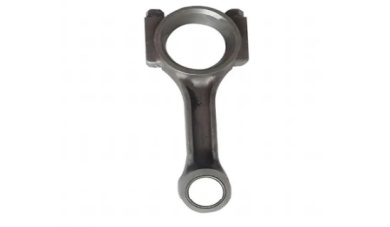
Forging steel is widely regarded as the preferred method for manufacturing high-strength components, and for good reason. The process involves shaping metal through compressive forces, often using high heat, to achieve superior mechanical properties compared to other production methods. Whether for critical aerospace parts, automotive components, or heavy machinery, forging steel is integral to ensuring durability, reliability, and performance under demanding conditions. In this article, we’ll explore the various benefits of forging steel, highlighting why it’s the go-to method for producing components that can withstand extreme stresses and harsh environments.
One of the most significant advantages of forging steel is the enhanced strength it provides to the final product. During the forging process, the steel is exposed to elevated temperatures and subjected to immense compressive forces, which causes the grain structure of the steel to become more aligned. This grain structure alignment is crucial in improving the material's mechanical properties, such as tensile strength and impact resistance.
When steel is forged, the grain flow is oriented along the shape of the part, which enhances its strength in the direction of the applied stress. This results in a more uniform and homogeneous material that can handle greater forces without failing. The alignment of the grains also improves fatigue resistance, allowing forged steel components to endure repeated stress cycles without cracking or fracturing.
Forged steel components are particularly well-suited for applications where parts are subject to high forces, vibrations, or constant wear. This durability makes forged steel a preferred choice in industries like aerospace, automotive, and heavy equipment, where the failure of components can have catastrophic consequences. For example, engine components in vehicles and turbine blades in aircraft need to withstand high-pressure environments and frequent mechanical stresses, which can only be achieved with the strength and resilience of forged steel.
Another key benefit of forged steel is the improvement in its material properties compared to cast or machined components. When compared to castings or components machined from billets, which may have internal voids, defects, or inconsistencies in their microstructure, forged steel stands out with its uniform and consistent internal structure.
The forging process effectively eliminates many of the imperfections that can arise during casting or machining, such as porosity, cracks, or inclusions. The result is a part with fewer weak spots, ensuring that it can reliably withstand the forces it is subjected to during operation. This uniformity makes forged steel a far superior choice for high-strength components, especially those used in demanding industries where the integrity of each part is critical for the overall safety and reliability of the machinery.
In addition to eliminating defects, the forging process enhances other critical material properties, including hardness, toughness, and wear resistance. These properties are particularly important in components like gears, crankshafts, suspension components, and turbine blades, all of which operate in high-stress environments. The toughness provided by forged steel helps to absorb shock loads and resist cracking under extreme conditions, making it ideal for parts that need to endure harsh mechanical environments.
While forging steel may involve a higher initial investment in machinery and tooling, the long-term benefits often make it more cost-effective than other manufacturing methods, such as casting or machining. The durability of forged steel components leads to lower maintenance and repair costs over time. Since forged steel parts are more resistant to wear and fatigue, they are less likely to fail, reducing the frequency of replacements or repairs.
In industries where downtime can be costly, the longevity and reliability of forged steel components directly contribute to higher uptime and operational efficiency. Fewer failures and less maintenance result in reduced operational costs and fewer interruptions to production. This can be particularly valuable in industries like automotive and heavy machinery, where machinery downtime can lead to lost productivity, increased labor costs, and delayed project timelines.
Moreover, forged steel is an efficient solution for large-scale production runs. Once the proper tooling is in place, the forging process can produce high volumes of components without compromising quality. This scalability makes it an excellent choice for industries requiring large quantities of high-strength parts, such as automotive manufacturers producing engine components or industrial equipment suppliers making gears and axles.
Steel components used in high-stress applications such as aerospace, automotive, and oil and gas industries must withstand extreme conditions. Forged steel is particularly well-suited for these environments because of its resilience under heat, pressure, and mechanical stresses.
For example, in the automotive industry, forged steel is commonly used for critical parts like crankshafts, connecting rods, and gears, all of which experience tremendous forces during engine operation. The increased strength and toughness provided by the forging process ensure that these components can handle the intense stress without cracking, breaking, or deforming.
Similarly, in the aerospace industry, components such as turbine blades and landing gear are subjected to extreme temperatures and pressures. The superior material properties of forged steel make it the material of choice for these demanding applications, where failure could result in catastrophic consequences.
Forged steel components are not only strong but can also be designed to be lightweight without sacrificing performance. The forging process allows manufacturers to create parts with optimized geometries, reducing excess weight while maintaining the component’s structural integrity. This is particularly important in industries such as aerospace and automotive, where reducing weight is a key factor in improving performance and fuel efficiency.
For example, automotive manufacturers can use forged steel to produce high-strength, lightweight components that contribute to better fuel economy and handling. Similarly, in the aerospace sector, lighter forged steel components help reduce the overall weight of aircraft, which contributes to improved fuel efficiency and operational cost savings.
The forging process allows for a high degree of design flexibility, which is essential in industries that require custom or complex components. By adjusting the forging parameters such as temperature, pressure, and time, manufacturers can produce parts with a variety of shapes, sizes, and material properties. This flexibility is important for creating specialized components that meet the exact specifications required by a particular application.
For example, in the oil and gas industry, custom-forged components like valves, flanges, and couplings can be designed to withstand extreme pressures and corrosive environments. The ability to forge components that are specifically tailored to the requirements of the operation ensures optimal performance and safety.
Another significant benefit of forging steel is the reduced need for post-processing such as machining or heat treatment. The controlled process of forging ensures that the component is created with the right shape and size, reducing material waste and the need for additional operations.
This results in faster production cycles and reduced costs associated with additional machining or finishing steps. For manufacturers, this means more efficient use of resources and faster turnaround times for high-strength components.
Forging steel is a critical manufacturing process that offers numerous advantages, especially when it comes to producing high-strength, durable components for demanding industrial applications. The enhanced strength, material properties, durability, and cost-effectiveness of forged steel make it the preferred choice for industries such as aerospace, automotive, and oil and gas.
At www.unionalloysteel.com, we specialize in the production of high-quality forged steel products that meet the rigorous demands of industries worldwide. Whether you're looking for forged steel for high-performance components or need expert guidance on selecting the right material for your application, we are here to help.
Our team is committed to delivering the best forging solutions to enhance your operations. For more information on our range of forged steel products or to discuss your project needs, we invite you to contact us today. Let us help you achieve the performance, strength, and reliability you need with our premium forged steel products.
