
Views: 0 Author: Site Editor Publish Time: 2025-12-09 Origin: Site


In the world of engineering, high-performance components are integral to the functionality and efficiency of machinery, and precision shafts are no exception. Whether used in automotive, aerospace, industrial, or manufacturing applications, precision shafts play a crucial role in transferring rotational motion and maintaining the smooth operation of various systems. To achieve the desired performance and longevity of these shafts, the choice of material is paramount. Among the various materials available, bright steel stands out as a preferred choice for manufacturing precision shafts due to its superior mechanical properties, dimensional accuracy, and versatility.
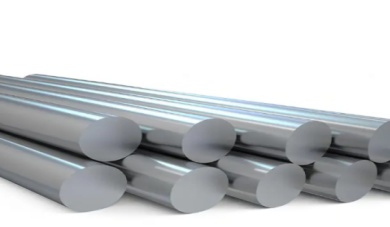
Bright steel refers to a high-quality steel product that has been processed through a series of refining steps to achieve a smooth, polished surface. Unlike conventional steel, which may have a rough or scaled surface, bright steel is typically cold-drawn, resulting in a smooth finish and more precise dimensions. The cold-drawing process not only enhances the surface quality but also improves the material's mechanical properties, making it suitable for high-precision applications.
In the case of precision shafts, the use of bright steel ensures that the shafts maintain dimensional accuracy, reduce the risk of surface defects, and achieve the necessary strength to withstand the mechanical stresses they encounter during operation.
Precision shafts are integral components in numerous mechanical systems, from motors and gears to pumps and turbines. These shafts are responsible for transmitting rotational motion, ensuring that the overall system functions efficiently and reliably. The performance of precision shafts directly impacts the operation of complex machinery. As such, the material used to produce these shafts plays a crucial role in their effectiveness, durability, and safety. Bright steel stands out as one of the most commonly used materials for precision shafts, due to its superior mechanical properties, dimensional accuracy, and smooth surface finish.
Here’s how bright steel enhances the safety, durability, and performance of precision shafts:
One of the key advantages of using bright steel in the production of precision shafts is the superior surface finish it provides. The cold-drawing process used to create bright steel results in a smooth, polished surface with high dimensional accuracy. This is in stark contrast to regular hot-rolled steel, which can have a rough, uneven surface that may cause issues in precise applications. The cold-drawing process involves pulling the steel through a die, which refines its surface and ensures a uniform finish.
For precision shafts, a smooth surface is critical for several reasons. First, it helps reduce friction between the shaft and other moving components, such as bearings or bushings. Reduced friction is beneficial because it results in less wear and tear, both on the shaft and the accompanying components. This not only prolongs the lifespan of these parts but also improves the efficiency of the entire system.
Dimensional accuracy is another crucial factor when producing precision shafts. The shafts must fit perfectly within the system with minimal clearance or play. Any misalignment or deviation in dimensions could affect the smooth operation of the system, leading to inefficiency or even failure. Bright steel is manufactured with tight tolerances, which makes it ideal for applications where precision is critical.
The process of cold drawing is responsible for this high level of precision. By drawing the steel through a die, the process reduces the diameter of the steel, making it more consistent in shape and size. This results in a shaft that is more uniform, with a high degree of straightness and a precise diameter. The tighter the tolerance, the more accurately the shaft will fit into the system, ensuring that it functions seamlessly with other components.
The combination of superior surface finish and dimensional accuracy in bright steel also contributes to the increased durability and longevity of precision shafts. Bright steel exhibits enhanced resistance to wear and corrosion due to its smooth surface, which is less likely to accumulate debris or contaminants. This is particularly important in applications where the shaft is subjected to high rotational speeds or harsh environmental conditions.
Because the steel is drawn through a die, it also experiences a refinement of its microstructure, which results in a stronger and more resilient material. The resulting shafts are less likely to suffer from issues like cracking, elongation, or bending under heavy loads. This improved strength and resistance to deformation contribute to the long-term reliability of the shaft, ensuring that it can withstand the stresses of daily operation without failure.
Precision shafts made from bright steel are used in a wide range of industries, including automotive, aerospace, marine, energy, and industrial machinery. The versatility of bright steel allows it to be used in a variety of applications, from small, high-speed components to larger, heavy-duty shafts that handle significant loads. Whether it’s a shaft in a high-performance engine or one in a large industrial turbine, the unique properties of bright steel make it a reliable choice for demanding applications.
Bright steel is not only known for its superior surface finish and dimensional accuracy but also for its excellent mechanical properties, including high tensile strength, hardness, and fatigue resistance. These properties make bright steel an ideal material for precision shafts, which are subjected to continuous mechanical stresses during operation.
Precision shafts made from bright steel exhibit greater resistance to bending, twisting, and elongation, making them more durable and less prone to failure under high loads. This improved strength and durability ensure that the shafts can handle the stresses they encounter over the course of their operational life, even in demanding environments.
Additionally, bright steel is highly resistant to wear and tear, further extending the lifespan of precision shafts. This is particularly important in industries such as automotive, aerospace, and manufacturing, where precision and reliability are critical to system performance.
In many applications, precision shafts are exposed to corrosive environments, such as moisture, chemicals, or high temperatures. Corrosion can lead to surface degradation, weakening of the shaft, and, eventually, failure. Bright steel offers enhanced corrosion resistance compared to standard steel due to the smooth, clean surface and the higher quality of material. This makes bright steel an excellent choice for shafts used in harsh or corrosive environments, including marine, chemical processing, and automotive applications.
To further enhance corrosion resistance, bright steel can be treated with coatings or undergo surface treatments, such as galvanizing or passivation, providing additional protection against environmental factors. This ensures the precision shaft remains functional and safe for a longer period, even in aggressive working conditions.
Another advantage of bright steel is its excellent machinability. Precision shafts often require secondary operations, such as turning, threading, or grinding, to achieve the desired final shape and finish. Bright steel is easier to machine than other steel grades due to its uniformity and clean surface. The reduced presence of scale and impurities in the material means that machining tools experience less wear, resulting in better machining performance and reduced production costs.
Furthermore, the superior machinability of bright steel allows for finer finishes and more accurate machining, which is essential for producing high-precision parts with minimal tolerances. This makes bright steel the preferred material for parts that require complex machining and high-quality finishes, such as those used in high-performance machinery.
Precision shafts are used in a wide range of industries, including automotive, aerospace, industrial machinery, and robotics. Each of these industries requires different specifications and performance characteristics from their shafts. The versatility of bright steel makes it an ideal material for meeting the diverse needs of these applications.
For example, in the automotive industry, bright steel is commonly used to manufacture shafts for engines, transmissions, and steering systems. In aerospace, it is used for components such as turbine shafts and landing gear parts. Bright steel’s strength, corrosion resistance, and dimensional accuracy make it adaptable to different industries with varying requirements for performance and durability.
In conclusion, bright steel plays a crucial role in enhancing the performance, durability, and safety of precision shafts. Its superior surface finish, dimensional accuracy, and mechanical properties make it the material of choice for manufacturing high-performance shafts that need to withstand the stresses and demands of various engineering applications. Whether it’s improving strength, reducing wear, enhancing corrosion resistance, or providing better machinability, bright steel contributes significantly to achieving the desired performance in precision components.
At Union Alloy Steel, we are committed to delivering high-quality bright steel products that meet the stringent requirements of precision engineering. Our bright steel is manufactured to the highest standards of quality and precision, ensuring it provides the strength, durability, and performance needed for critical applications. If you are looking to enhance the performance of your precision shafts or need more information on our bright steel offerings, we invite you to contact us today. Our team is ready to assist you in selecting the best materials for your engineering needs.
For further details on our range of bright steel products, please visit our website at www.unionalloysteel.com.


