
Views: 0 Author: Site Editor Publish Time: 2025-12-04 Origin: Site


When it comes to the performance and longevity of an engine, every component plays a pivotal role, and one of the most critical elements is the piston rod. The piston rod, or connecting rod, links the piston to the crankshaft, translating the up-and-down motion of the piston into rotational motion to drive the engine. Due to the constant stress and extreme conditions it faces, the material used for piston rods is paramount to the engine’s overall performance and durability. Bright steel has become a preferred material in manufacturing piston rods due to its combination of strength, precision, and resilience under high pressure and temperature.
In this article, we will explore the reasons why bright steel is essential for the performance and durability of automobile piston rods, how it compares to other materials, and why it’s chosen by manufacturers worldwide for high-performance automotive applications.
Bright steel is a high-quality, cold-drawn or cold-finished steel that offers superior surface finish, dimensional accuracy, and consistency. This material is manufactured using precise methods that give it a smooth, polished surface, making it ideal for applications where tight tolerances and high strength are critical.
Unlike hot-rolled steel, which may have an uneven surface and less accurate dimensions, bright steel undergoes further processing to provide a smooth, uniform finish, free from scale or impurities. This makes it suitable for components that must withstand high forces and operate with tight tolerances, like piston rods.
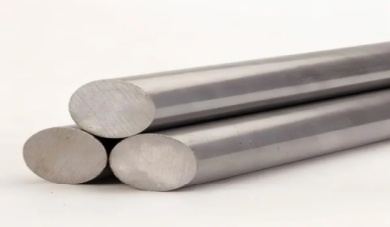
In the highly demanding world of automobile engineering, every component plays a crucial role in ensuring the overall performance and longevity of a vehicle. Among these critical components, the piston rod stands out as one of the most important, as it is responsible for transmitting the power generated by the combustion process to the crankshaft. The piston rod is subject to intense mechanical stress, high temperatures, and repetitive forces, which makes its material selection paramount for the engine’s performance and reliability. Bright steel is often the material of choice for manufacturing piston rods due to its superior mechanical properties, precision, and durability.
In this article, we will explore the key reasons why bright steel is essential for automobile piston rods, and how it contributes to the long-lasting performance, efficiency, and safety of engine components.
The strength of a piston rod is absolutely crucial for ensuring the engine’s efficiency and performance. As the piston rod directly transmits power from the piston to the crankshaft, it is exposed to substantial mechanical stresses, repetitive loads, and extreme temperatures. Bright steel offers exceptional tensile strength and impact resistance, which ensures that the piston rod can endure these forces over extended periods without failure.
The cold-drawing process used to manufacture bright steel results in a uniform and high-quality steel structure with minimal internal defects. This process enhances the strength and durability of the material, making it more reliable under mechanical stress. Furthermore, bright steel’s unique microstructure significantly improves fatigue resistance, which means the piston rod can endure the continuous cycles of loading and unloading during engine operation without cracking, deforming, or prematurely failing. This fatigue resistance is particularly important in engines that experience high-stress levels, such as performance or racing engines.
For example, in a high-performance engine, piston rods made from bright steel can handle the high compression and temperature fluctuations without succumbing to deformation or failure. This durability is vital in aerospace, automotive racing, and heavy machinery applications, where component failure can result in costly repairs, downtime, and potential safety hazards.
Precision is key when manufacturing piston rods, as even the smallest dimensional deviation can lead to inefficiencies or even catastrophic failure in the engine. Piston rods must fit perfectly within the engine assembly to ensure smooth movement and proper alignment with other engine components. Bright steel is known for its dimensional accuracy and smooth surface finish, making it the ideal choice for producing high-performance piston rods.
Unlike hot-rolled steel, which may have variances in size and shape, bright steel is cold-drawn to meet strict tolerances, resulting in components with a consistent diameter and tight tolerances. This accuracy ensures that the piston rod fits precisely within the engine, contributing to optimal performance. The tight tolerances also minimize the possibility of engine inefficiencies caused by improper fitment, such as misalignment, increased friction, or wear on the crankshaft or piston.
An automobile engine is exposed to harsh operating conditions, including high temperatures, moisture, and various chemicals such as oil, coolant, and fuel. These elements can cause corrosion and rust, which can degrade the integrity and performance of engine components like piston rods. Given the critical role that piston rods play in engine performance, it’s vital to use materials that resist corrosion.
Bright steel’s high-quality finish and lack of impurities on the surface make it highly resistant to corrosion. This is particularly important for piston rods, as the internal engine environment is filled with various fluids that can cause rust and corrosion over time. The corrosion resistance of bright steel helps ensure the longevity of the piston rod, preventing premature degradation and failure.
Automobile engines operate under extremely high temperatures, from the heat generated by the combustion process to the friction between moving parts. Piston rods are constantly exposed to these high temperatures, which can cause lower-quality materials to experience thermal expansion or deformation. Such issues can lead to engine inefficiency, improper fitment, or even catastrophic engine failure if the piston rod loses its shape or structural integrity.
Bright steel excels in high-temperature performance, making it an ideal material for piston rods that operate under extreme heat conditions. Bright steel’s thermal stability ensures that it can withstand high temperatures without losing its strength, dimensional accuracy, or structural integrity. This makes bright steel particularly valuable for performance engines that operate in high-stress environments where heat dissipation is critical.
In modern automobile engineering, the weight of engine components plays a critical role in fuel efficiency, acceleration, and overall vehicle performance. While strength is crucial, it’s equally important to ensure that engine components are lightweight enough to optimize performance. Bright steel offers a favorable balance between strength and weight, making it possible to produce piston rods that are both strong and lightweight.
The precision forming of bright steel components allows manufacturers to create piston rods that are not only strong but also optimized for weight. Reducing excess weight in the piston rod helps improve fuel efficiency, acceleration, and handling by reducing the overall weight of the engine. Bright steel enables manufacturers to design piston rods that are lightweight without compromising on strength, leading to better engine performance and a more efficient vehicle.
While the upfront cost of bright steel may be higher than other materials, its long-term benefits make it a more cost-effective option for producing high-performance automotive parts like piston rods. The durability, strength, and resistance to wear and corrosion offered by bright steel lead to lower maintenance costs and longer service life for both the piston rods and the engine as a whole.
Compared to other materials like cast steel or machined components, bright steel offers superior advantages in terms of strength, precision, and reliability. Cast steel, for example, may have inconsistencies in material properties due to the casting process, leading to weaker points and potential failure under high stress. Machined components, while accurate, often lack the inherent strength and grain structure alignment that comes with forging or bright steel.
Bright steel is not only stronger but also offers better dimensional stability, surface finish, and resistance to environmental factors than these alternative materials. These characteristics make it the best choice for producing piston rods that must perform under the most demanding conditions.
Bright steel is an essential material for automobile piston rods, offering a perfect combination of strength, durability, precision, and performance under extreme conditions. Its superior mechanical properties, resistance to wear and corrosion, and ability to withstand high temperatures make it the material of choice for critical engine components that require long-lasting reliability and optimal performance.
At www.unionalloysteel.com, we specialize in producing high-quality bright steel products designed to meet the exacting demands of the automotive industry. Whether you're manufacturing high-performance piston rods or other precision components, our bright steel solutions provide the strength, durability, and precision required for success.
If you want to learn more about our bright steel products or discuss how our solutions can improve the performance and reliability of your engine components, feel free to contact us today at Union Alloy Steel. We are committed to providing you with the best materials and support for your manufacturing needs.


