
Views: 0 Author: Site Editor Publish Time: 2025-12-02 Origin: Site


In the automotive industry, the demand for high-performance, reliable, and durable parts is constant. Automotive manufacturers are under pressure to produce vehicles that are safe, efficient, and long-lasting. One of the most significant ways to meet these demands is by using forging steel in the manufacturing of automotive parts. Forging steel offers superior strength, durability, and resistance to wear and tear, all of which are critical for the safety and performance of vehicles.
Atwww.unionalloysteel.com, we specialize in providing high-quality forged steel solutions that help automotive manufacturers achieve the highest standards of safety and performance in their vehicles. In this article, we will explore how forging steel enhances the safety and performance of automotive parts, and why it has become a preferred choice for manufacturing critical components.
Forging is a manufacturing process in which metal is shaped by applying compressive forces. Steel, when forged, undergoes a transformation that improves its strength, toughness, and fatigue resistance compared to its cast or wrought counterparts. The process of forging involves heating steel to a specific temperature and then applying pressure to shape it into the desired part. This results in a grain structure that aligns with the shape of the part, improving the overall mechanical properties of the material.
Forging steel is widely used in the automotive industry for critical parts such as crankshafts, connecting rods, gears, axles, and other high-stress components. The process of forging steel improves its molecular structure, resulting in enhanced strength, durability, and performance—qualities that are essential for automotive parts that must endure extreme conditions and heavy loads.
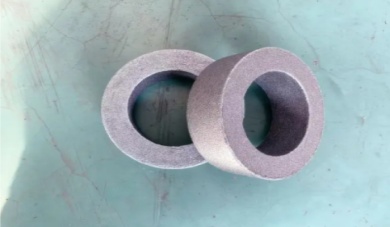
In the automotive industry, safety is the foremost consideration when designing and manufacturing vehicle components. Every part of a vehicle must be able to withstand the stresses of daily driving, while also being able to endure the forces encountered during accidents, crashes, and other extreme events. One of the key ways to ensure that automotive parts meet these rigorous demands is by using forging steel. Forging steel significantly enhances the safety of automotive parts by improving their strength, durability, and overall performance in critical applications. Let’s explore how forging steel helps to enhance the safety of automotive components in the following ways:
Forged steel is renowned for its exceptional strength, toughness, and durability, especially under high-stress conditions. The automotive industry requires parts that can withstand immense pressure, particularly in high-performance and critical engine components such as the crankshaft, connecting rods, and pistons. These parts are subjected to substantial stress and strain during the engine's operation. If these parts were made from weaker materials, they could break or fail, leading to catastrophic engine malfunctions and even accidents.
The superior strength of forged steel allows these components to endure high-pressure conditions without breaking or fracturing. Forged steel is less likely to suffer from issues like cracking or deformation under heavy loads. This is crucial because components such as the crankshaft or connecting rods need to maintain their integrity under tremendous mechanical stress throughout the vehicle's life. By using forged steel, these critical parts become much more resistant to fatigue and cracking, ensuring the engine operates smoothly for extended periods without failure.
Moreover, forged steel parts are better equipped to handle high-impact situations such as collisions. In these high-stress conditions, the strength and durability of forged steel prevent the part from failing, providing better protection to the vehicle occupants. This significantly minimizes the risk of injury to drivers and passengers in the event of a crash.
Fatigue failure is one of the leading causes of component failure in automotive systems. Fatigue occurs when a material is subjected to repeated stress cycles, causing small cracks to develop over time. These cracks can grow and eventually lead to the catastrophic failure of the component. Automotive parts such as suspension components, steering knuckles, drive shafts, and wheel hubs experience constant stress and strain from daily driving, and over time, these parts are prone to fatigue.
Forged steel’s superior fatigue resistance makes it the ideal material for these high-stress parts. Unlike cast or wrought materials, forged steel has a uniform grain structure. During the forging process, the grain structure of the steel aligns in the same direction as the shape of the part, which enhances the material’s ability to withstand repeated stresses. This means that forged steel is far more resistant to cracking and failure over time, compared to other materials, making it a safer choice for parts that undergo constant loading and unloading.
Automotive parts are regularly exposed to high-impact forces during driving, whether from collisions, accidents, or sudden maneuvers. Forging steel enhances the toughness of these parts, improving their ability to absorb shocks and impacts without failing. When a metal part is forged, it becomes stronger and tougher, allowing it to withstand heavy impact forces.
For example, in the event of a collision, forged steel components such as bumper reinforcements or axles are more likely to deform gradually rather than shatter or fracture. This gradual deformation helps absorb some of the energy from the impact, reducing the force transmitted to the rest of the vehicle’s structure. This not only helps protect the vehicle’s structural integrity but also reduces the risk of injury to the occupants.
Automotive parts often operate in extreme temperature conditions, particularly in the engine, exhaust system, and braking components. Forged steel’s ability to maintain its strength and performance at both high and low temperatures makes it ideal for these demanding applications. While other materials may become brittle at low temperatures or lose strength at high temperatures, forged steel maintains its structural integrity, ensuring the safety and performance of the vehicle across a wide range of operating conditions.
In addition to improving safety, forging steel also plays a crucial role in enhancing the overall performance of automotive parts. Here are some key ways that forged steel contributes to the performance of vehicles:
Automotive components like axles, gears, and suspension parts are subjected to significant loads during operation. These parts must be able to bear the weight of the vehicle, handle the forces generated during acceleration and braking, and endure the stresses caused by road conditions. Forged steel’s superior strength allows it to handle these heavy loads without deforming or failing, resulting in better performance and reliability.
For example, forged steel axles are stronger and more durable than their cast counterparts, which enhances the vehicle’s ability to handle heavy loads and challenging driving conditions. This leads to improved vehicle stability, handling, and overall performance, particularly in high-performance or commercial vehicles.
Weight reduction is a critical factor in improving the fuel efficiency and performance of a vehicle. Forged steel provides a great balance between strength and weight. Unlike cast parts, which may be bulky and heavier, forged steel parts can be made lighter while maintaining the same or even higher levels of strength and durability.
This reduction in weight improves fuel efficiency, handling, and acceleration. For example, forged steel used in engine components allows for lighter parts without sacrificing strength, improving engine efficiency and overall vehicle performance.
Forged steel parts are known for their precision and dimensional accuracy. The forging process allows manufacturers to create parts with tight tolerances and consistent dimensions, ensuring that the components fit together perfectly and perform as expected. This is especially important for high-performance parts such as gears, crankshafts, and suspension components, where even slight deviations in dimensions can affect the vehicle’s performance and handling.
The precision of forged steel parts reduces the likelihood of defects or inconsistencies in the manufacturing process, leading to better overall vehicle performance and reducing the need for costly rework or adjustments.
Automotive components, particularly those in the drivetrain and suspension systems, are subjected to constant friction and wear. Forged steel’s superior wear resistance makes it an ideal material for these high-stress components. For example, forged steel gears are more resistant to wear, ensuring smoother operation and longer service life, while also reducing the likelihood of component failure due to excessive friction.
This wear resistance is critical for maintaining the long-term performance of the vehicle, as it helps prevent premature part failure and extends the intervals between maintenance or replacements.
In summary, forging steel significantly improves both the safety and performance of automotive parts. From enhancing strength and fatigue resistance to improving impact resistance, wear resistance, and dimensional accuracy, forging steel provides the durability and reliability that automotive manufacturers require for critical vehicle components. It also offers superior load-bearing capacity, reduced weight, and better overall performance, making it an essential material in the manufacturing of high-quality automotive parts.
At www.unionalloysteel.com, we specialize in providing high-performance forged steel solutions designed to meet the demanding requirements of the automotive industry. Our forged steel products are crafted to the highest standards of quality and precision, ensuring they contribute to the safety, reliability, and performance of your vehicle parts. For more information on our forged steel products and how they can benefit your manufacturing process, we invite you to contact us today. Our team is ready to assist you in selecting the best forged steel solutions for your automotive applications.
